









Why do we keep talking about women in business?
This is a question I have been asked more times than I can count, usually by well-meaning people at conferences and meetings, and my answer is always the same. Because the numbers demand it. Not the moral argument, although that stands. Not the optics, even though representation matters. The numbers. The balance-sheet reality that investing in women is not charity, it is strategy. And any institution, government, or economy that fails to grasp this is leaving money, a good amount of it, on the table.
This Women’s Month, as we prepare for International Women’s Day and rally around the theme “Give to Gain,” it is worth examining what we actually gain when we give women access to capital, knowledge, markets, and opportunity.
Nigeria is home to one of the most entrepreneurial populations of women on earth. There are approximately 23 million female entrepreneurs operating within the micro business segment alone, giving the country one of the highest rates of female entrepreneurship globally. Women account for 41 per cent of SME ownership in Nigeria, and SMEs collectively contribute nearly half of the nation’s GDP. Yet Nigerian women receive only about 10 per cent of loans from financial service providers. A staggering 98 per cent of women entrepreneurs still lack access to formal credit markets. The financing gap for women-led businesses across Africa stands at approximately $42 billion.
Think about that for a moment.
We have millions of women already building, already trading, already employing, and we are funding only a fraction of them. The question is not whether Nigerian women can do business. The question is what happens when we actually back them properly.
The McKinsey Global Institute, in their study The Power of Parity, found that advancing women’s equality in the economy could add up to $12 trillion to global GDP. The International Monetary Fund has estimated that in some countries, equal participation by women could boost GDP by as much as 40%. For Nigeria, the Council on Foreign Relations, drawing on McKinsey’s data, projected that closing the gender gap in economic participation could grow Nigeria’s GDP by 23%. These are not aspirational figures. They are calculations of what we are currently losing by not investing in women.
When you invest in a woman, the returns do not stop with her. Research consistently shows that women reinvest a significantly higher proportion of their income back into their families and communities, compared with approximately 30 to 40% for men. This means that when a woman’s business grows, school fees get paid, nutrition improves, healthcare is accessed, siblings are supported, employees are hired. The community grows. That is what is called the multiplier effect.
I have seen this play out across Nigeria, in every state, in every market. The woman selling clothes in Balogun Market who employs three other women and sends five children to school. The general merchandise trader in Onitsha Market who is the economic anchor of her extended family. Each of these women is a multiplier, and each of them started with someone, somewhere, giving her a loan, a skill, an opportunity, a chance. That is the “Give to Gain” principle made real. Giving is not a subtraction. It is, as this year’s IWD campaign puts it, intentional multiplication.
For banks and financial institutions, the multiplier effect is not just a social good story. It is a commercial opportunity. Women represent an underserved market of enormous scale. In Nigeria, where 77% of working women are in the informal sector. The opportunity to bring millions of women into the formal financial system through savings products, digital banking, micro-lending, and insurance is enormous. Data, in fact, tells us that women are reliable borrowers. Multiple studies across emerging markets have shown that women have lower default rates on loans than men.
The International Finance Corporation has repeatedly highlighted the “women’s market” as one of the most significant growth frontiers for financial services globally. When banks design products that meet women where they are with flexible terms, accessible digital channels, and financial literacy support, they do not just do good. They grow their customer base, grow deposits, and build long-term loyalty.
At Union Bank, our commitment to women’s financial empowerment is not an add-on or a CSR initiative. It is woven into our product strategy, our digital platforms, and our community engagement because we understand that when we invest in a woman’s financial capability, she does not just open an account. She saves, she transacts, she grows, she refers others, and she becomes a lifelong customer. That is multiplication.
This is why we built alpher, our flagship women’s banking proposition, launched in 2020 and aligned with the United Nations SDG 5 on Gender Equality. alpher was designed as an infrastructure for the Nigerian woman whether she is an entrepreneur, a working professional, or a housewife managing her household finances.
For women in business, alpher provides tailored loans and savings plans that reflect the realities of female entrepreneurship in Nigeria. We offer access to credit with reduced collateral requirements, because we recognise that traditional collateral models were not built around women’s asset ownership patterns. We invest in capacity building, training, mentorship and masterclasses on entrepreneurship and personal finance because capital without knowledge produces fragile outcomes.
One of the initiatives I am proud of is the Alpher Fair, a marketplace concept where we open our premises to women entrepreneurs and let them sell directly to our employees. It gives these women immediate access to a concentrated customer base, it gives our staff convenient access to quality products and services, and it demonstrates that supporting women-owned businesses does not always require grand gestures. Sometimes, it just means creating space.
alpher sits within Union Bank’s broader SME banking ecosystem which provides competitive loan products, complimentary business advisory, digital payment infrastructure and growth workshops that address the knowledge gaps holding businesses back. The integration is deliberate. A woman can access credit, learn how to deploy it effectively, connect with mentors and peers who sharpen her thinking, and gain visibility for her business all within one ecosystem. That is how you build businesses that last, not just businesses that start.
This year’s International Women’s Day “Give to Gain” theme challenges us to be specific about what we are willing to give. For those of us in financial services and in business, giving means giving access, giving knowledge, giving capital, giving visibility. It means celebrating women entrepreneurs publicly and loudly, featuring them in marketing, case studies, events, and platforms that amplify their work.
Mentorship remains one of the most powerful and underutilised tools for women’s advancement. A single conversation with the right mentor at the right time can redirect an entire career. It costs nothing but attention and the gains are immeasurable.
The question has never been whether investing in women is good business. It has always been good business. The question is how much longer we are willing to leave the returns uncollected.
.
.
.
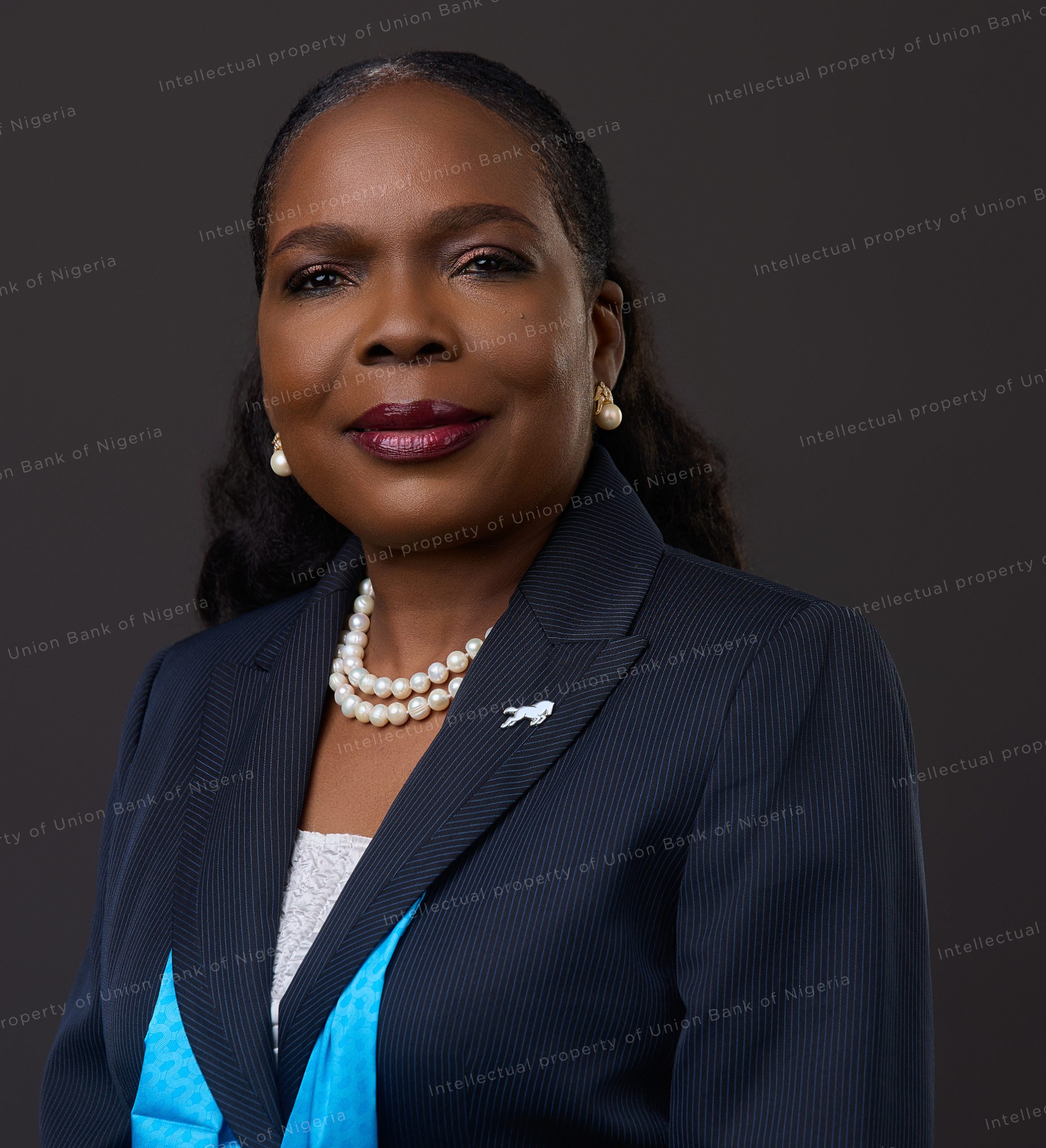
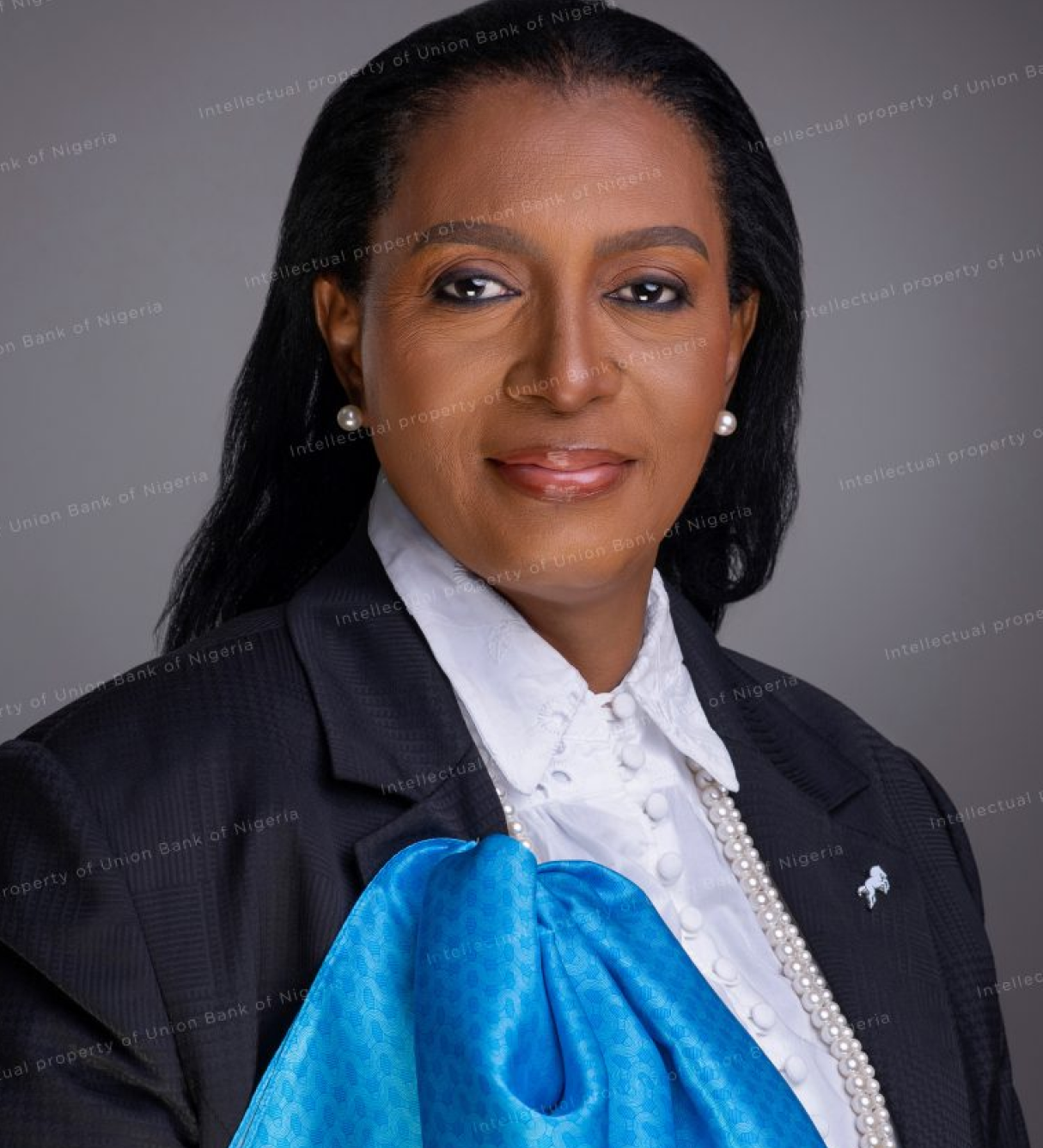
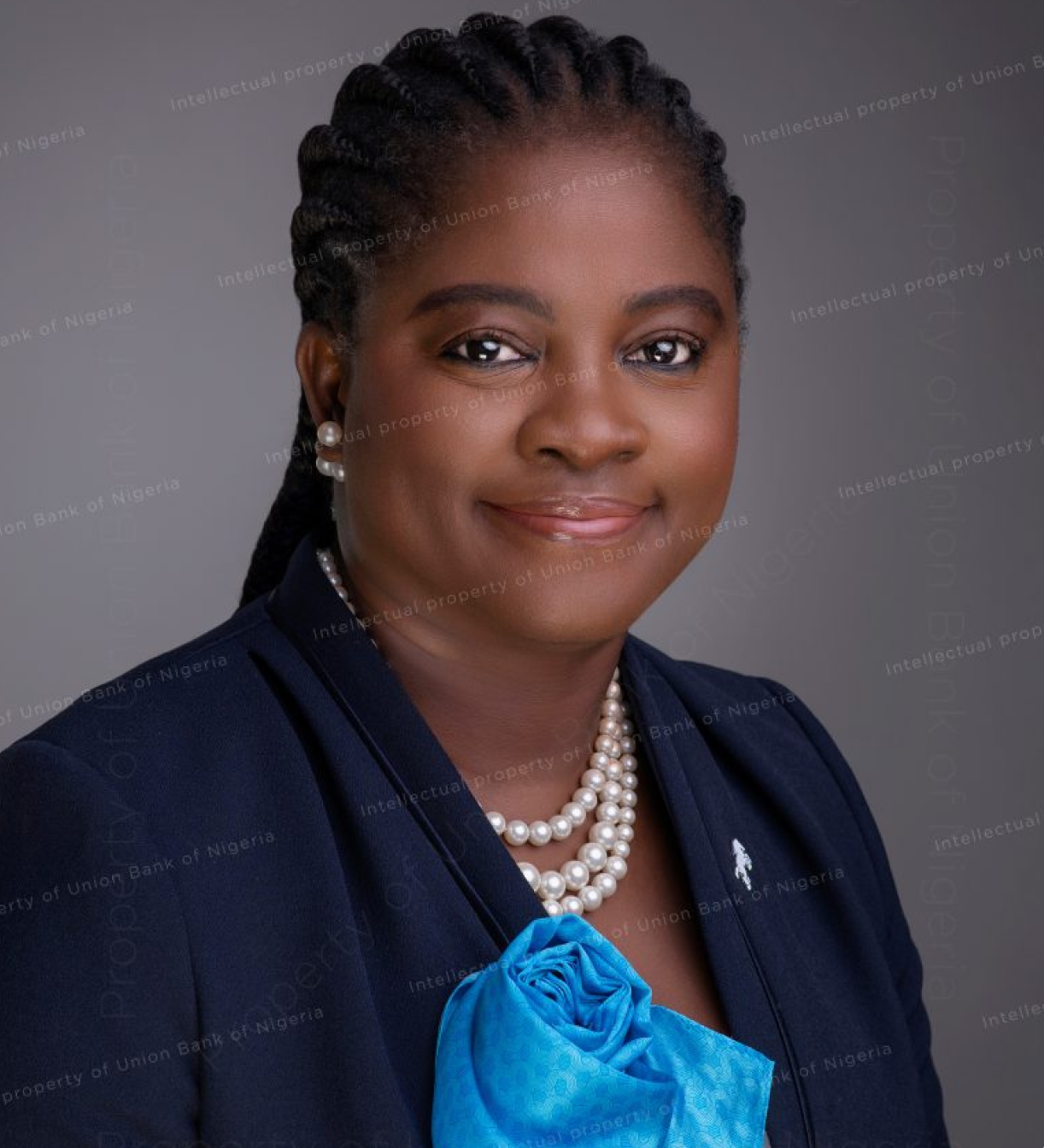
Vivian Imoh-Itah is Head, Retail and SME Business at Union Bank of Nigeria. She is passionate about women’s financial inclusion and the role of banking in economic empowerment.
Learn more about Alpher and Union Bank’s SME banking solutions at www.unionbankng.com
Follow Alpher on Instagram at https://www.instagram.com/alpherwoman/